
The Growth-Oriented Owner’s Guide: 10 Proven Ways the Right Partner Accelerates Veterinary Practice Growth
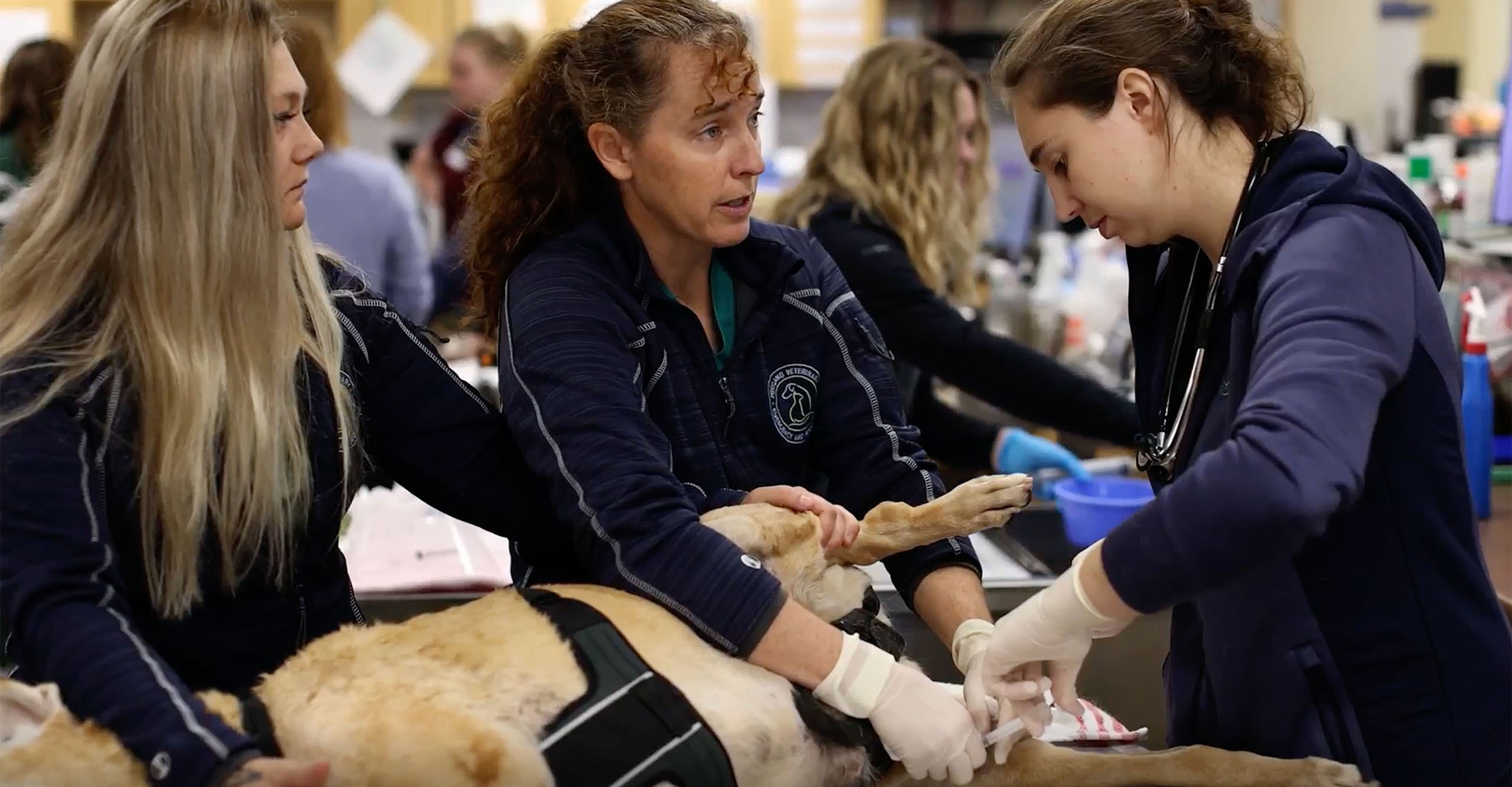
For many owners, the challenge is not vision. The challenge is bandwidth. Many hospitals could grow faster with the right support, investment, and talent behind them.
The below guide outlines how veterinary hospitals scale faster with strategic investment, recruiting support, operational relief, and clinical autonomy.
1. Access to Capital That Enables Real Hospital Growth
Industry reality:AVMA reports that more than 60 percent of practices delay expansions or equipment upgrades due to capital limitations.
A strong partner helps you:
- Modernize imaging, dentistry, and surgical equipment
- Renovate treatment spaces, add exam rooms, or increase square footage
- Expand into urgent care or advanced procedures
- Improve hospital flow and client experience
- Even modest facility investments have been shown to increase exam capacity and revenue per visit in as little as 6–12 months.
2. Recruiting Support That Shortens Time-to-Fill
National data:
- The U.S. faces an estimated shortage of 15,000 veterinarians by 2030 (Mars Veterinary Health).
- Technician turnover is nearly 25 percent annually (VHMA).
A partner should offer:
- A dedicated DVM recruiting team
- Regional recruiter relationships with New England veterinary programs
- Sign-on support, relocation assistance, and mentorship pathways
- Technician and CSR recruiting infrastructure
This is one of the clearest growth levers: more doctors, more nurses, more appointments.
3. Operational Relief That Reduces Owner Burnout
VHMA surveys show owners spend 30 to 40 percent of their week on administrative work.
This directly limits hospital growth.
Partner support includes:
- HR and payroll management
- Scheduling and workflow optimization
- Vendor and inventory support
- Training, compliance, and onboarding
- Financial reporting and benchmarking
Operational relief = more capacity for medicine, leadership, and growth.
4. Marketing and Demand Generation That Drives New Client Growth
Industry trends:
- New client acquisition is increasingly digital
- Reputation management influences client selection
- SEO and Google Ads significantly impact local visibility
A strong partner brings:
- Professional demand-generation
- Localized SEO and paid search advertising
- Client reactivation campaigns
- Online booking optimization
- Review and reputation management
This drives consistent new-client flow and strengthens hospital competitiveness.
5. Technology and Equipment Modernization
Client expectations:Clients increasingly seek practices with modern diagnostics, streamlined check-in, and efficient communication tools.
Technology upgrades often include:
- Updated PIMS and integrated digital workflows
- Digital radiography, ultrasound, dental radiography
- Telemedicine or remote triage tools
- Online booking and easy to use website tools
- Automated reminders and follow-ups
- Payment and financing options (improving compliance)
Modernizing technology improves service mix, revenue, and efficiency.
6. Expansion of Service Lines That Increase Revenue and Retention
Practices that add surgical services, dentistry capacity, or urgent care can see double-digit revenue growth depending on caseload and staffing.
Service expansions may include:
- Soft tissue or orthopedic surgery
- Urgent care or extended hours
- Advanced dental capabilities
- Enhanced imaging
- Specialty partnerships
These additions strengthen client loyalty and improve care continuity.
7. Protecting Medical Autonomy and Clinical Standards
Top concern among owners considering partnership:
- Loss of control over medical decisions.
- A trustworthy partner ensures:
- Veterinarians maintain decision-making authority
- Practice identity and philosophy remain intact
- No pressure to alter medical protocols for financial reasons
This preserves culture, quality, and team confidence.
8. Leadership Development and Career Pathways
Industry challenge: Technician burnout and turnover remain high nationally.
A partner strengthens hospital culture by offering:
- CE budgets and structured training
- Growth paths for technicians, CSRs, and managers
- Medical leadership development
- Support for onboarding new graduates
- Burnout prevention through staffing and scheduling support
- Investing in people is one of the strongest predictors of long-term stability.
9. Data, Analytics, and Practice Management Infrastructure
Growth requires visibility. A strong partner provides:
- Benchmarking against similar hospitals in the region
- Forecasting tools for staffing and expansion
- Insights into pricing, scheduling, and client behavior
Industry studies show that practices using robust analytics typically grow faster and more efficiently than those without structured data systems.
10. Long-Term Strategic Alignment and Regional Expertise
Regional expertise matters
The right partner brings:
- Market insights specific to surrounding regions
- Strategic planning support tailored to local demand
- Recruiting relationships with regional schools and networks
- Stability and investment that support long-term planning
This ensures the hospital grows with intention rather than reaction.
Conclusion
With the right partnership, owners can scale sustainably, add needed services, support their teams, modernize their facilities, and strengthen their hospital for the future.
If you would like to explore what a next-stage growth plan could look like for your hospital, we would be glad to talk. No expectations and no pressure, just a conversation rooted in your goals. Reach out to partnerships@coveanimalhealth.com